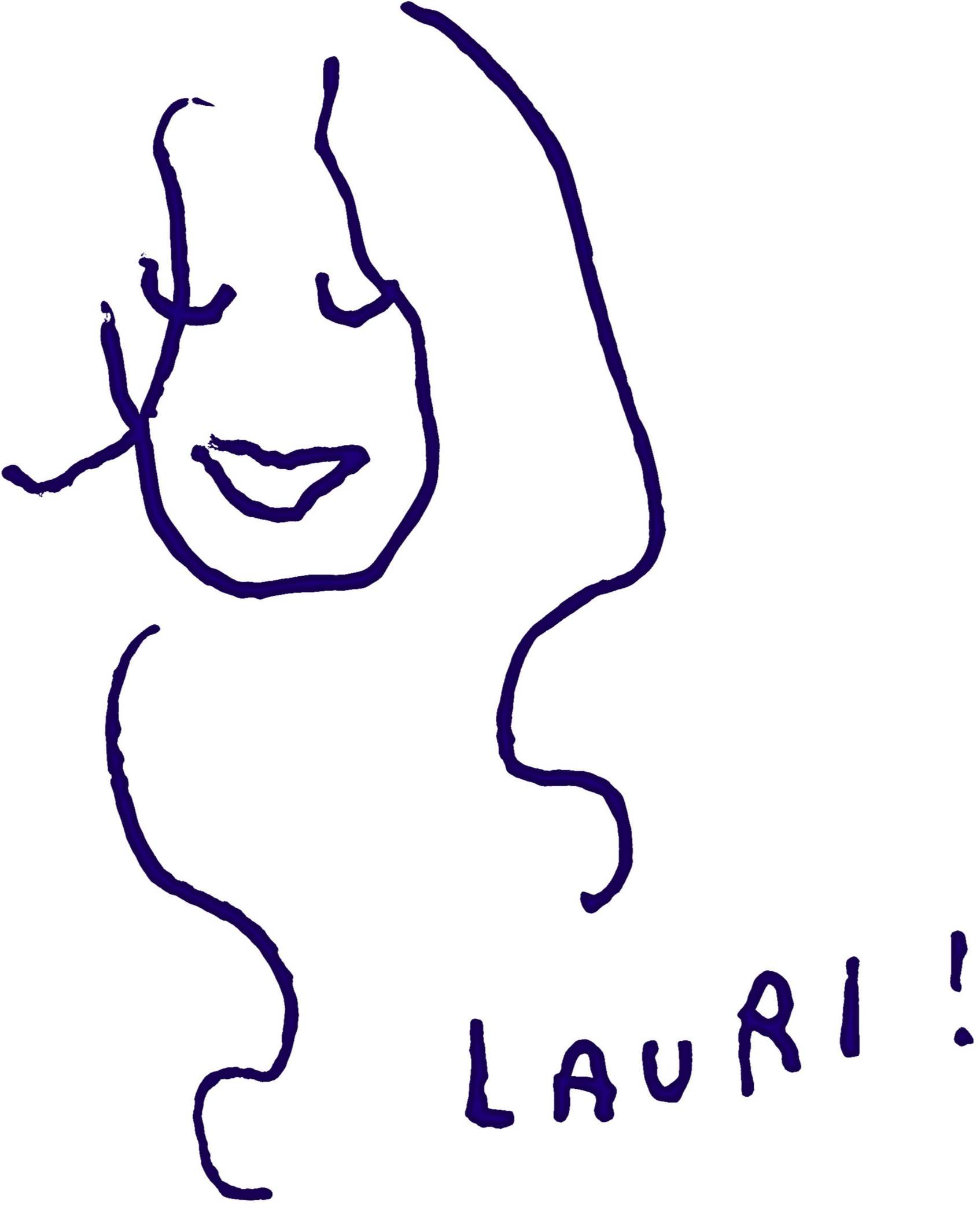
There is a version of Lauri London Freedman's life that reads like a straight line — Rice, children's book editor, marriage, three kids, Parents Association president, two decades of doing the unglamorous work of running a household in New York City — and then there is the version where all of that was just training for something else entirely. "I don't think I ever stopped working," she says. "I just wasn't getting paid for it yet."
Freedman spent twenty years at home before walking into the Whitney Museum of American Art and becoming its head of product development — a role that gave her the mentorship and latitude to treat the museum gift shop as a curatorial project. She brought in Lingua Franca, Goodee, Noah, Narciso Rodriguez, Flavor Paper, put artists like Toyin Ojih Odutola, Christine Sun Kim and Raul de Nieves into the mix, and in 2018 co-curated Eckhaus Latta: Possessed, the museum's first show to blur retail and gallery so thoroughly that no one quite knew which side of the room they were shopping in. "It had never been done there before," she says, not as a boast, just a fact she happens to have been in the middle of.
With the founding of Objectively Subjective (a phrase she considers less a contradiction than a mission statement: strong opinions, held personally, without the pretense that they’re facts), she is formalizing her work with the estate of Jason Polan, is working with select artists and institutions doing what she does best, and plans to relaunch Three-Fourths of an Ounce next year.
She spends the rest of her time doing what she's always done: arranging (and re-arranging) things. A shelf, a table, a whole room, until it stops looking staged and starts looking inevitable. She is a believer in fewer, better things, and in the vitrine as an act of respect — the idea that an object worth having is worth looking at, not just owning. Ask her what she's hunting for and she'll tell you it's less a category than a feeling: something made by a person who couldn't have made it any other way.